


Views: 0 Author: Site Editor Publish Time: 2026-06-01 Origin: Site


Shrimp processing is vital to meet growing seafood demand worldwide. Manual methods are slow and inconsistent.
An automated shrimp processing line boosts efficiency and product quality. It solves labor challenges and speeds up production.
In this post, you’ll learn how to build an automated line, choose equipment, and optimize workflow for success.
Automatic shrimp deheading machines form the first essential step in the processing line. They efficiently remove shrimp heads with precision, preserving the valuable meat. These machines handle various shrimp sizes—from small white shrimp to larger tiger shrimp and prawns—by adjusting cutting mechanisms. They significantly reduce labor costs by replacing manual deheading, which is labor-intensive and inconsistent. Typically made from stainless steel, they meet strict hygiene standards and integrate smoothly with downstream equipment like peeling and freezing units. Their continuous operation boosts throughput, often doubling or tripling output compared to manual methods.
Shrimp peeling machines automate shell removal, a task traditionally done by hand. They use advanced stripping technology to peel off shells while keeping the shrimp’s texture and appearance intact. Some models include integrated deveining functions, removing the digestive tract for cleaner products. These machines accommodate a wide range of shrimp sizes and peeling styles, such as E-Z peel, tail-on, or butterfly split. Features like automatic feeding, conveyor systems, and vision inspection belts optimize efficiency and product quality. Their user-friendly interfaces allow quick adjustments for different shrimp types, minimizing downtime during production changes.
Deveining equipment specializes in removing the shrimp’s vein—the digestive tract—without damaging the meat. Some peeling machines have built-in deveining, while others operate as standalone units. These machines use gentle mechanical or water-jet methods to extract veins cleanly and quickly. Proper deveining improves product hygiene and market appeal, especially for export markets with strict quality standards. Automated deveining reduces manual labor and ensures consistent results, which is vital for maintaining high product quality.
Sorting and grading systems classify shrimp by size, weight, and quality. These systems use advanced sensors and vision technology to ensure uniformity, which is crucial for packaging and meeting customer specifications. Automated sorting reduces human error, speeds up processing, and helps maximize yield by directing shrimp to appropriate processing streams. Grading systems also identify defects or damaged shrimp, allowing processors to maintain high standards. Integration with conveyors and packaging lines ensures a smooth workflow.
Freezing is critical for preserving shrimp quality and extending shelf life. Various freezing technologies cater to different production needs:
Spiral Freezers use vertical, space-saving designs to freeze shrimp rapidly with Individual Quick Freezing (IQF) technology. This method locks in freshness and maintains texture.
Tunnel Freezers convey shrimp through a cold chamber, providing efficient linear freezing suitable for large volumes.
Plate Freezers freeze shrimp by sandwiching them between refrigerated plates, ensuring uniform freezing for bulk products.
Impingement Tunnel Freezers blow high-velocity cold air onto shrimp surfaces, freezing them fast while reducing dehydration and weight loss.
Each freezer type offers precise temperature control, energy efficiency, and compatibility with automated lines.
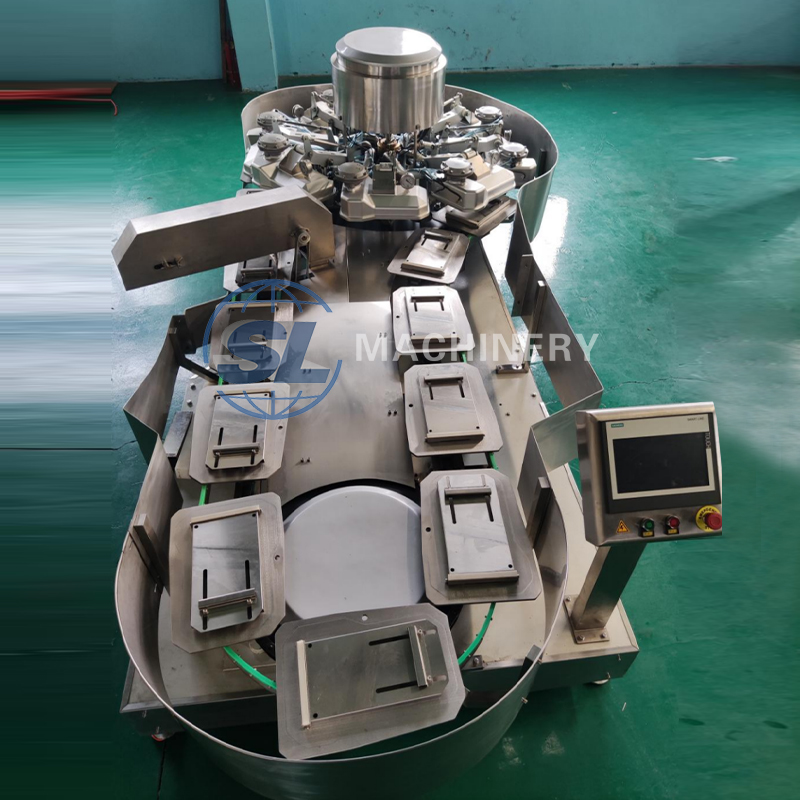
Packaging equipment completes the processing line by packing shrimp into consumer-ready or bulk containers. Modern packaging machines handle vacuum packing, tray sealing, or bagging, often integrating with freezing units for seamless operation. Automated packaging improves hygiene, reduces labor, and enhances product presentation. It also supports traceability and compliance with export regulations. Integration with upstream equipment ensures synchronized workflow and high throughput.
Tip: When selecting shrimp processing equipment, ensure all machines are compatible and easily integrated to maintain a smooth, continuous workflow and maximize efficiency.

Building an automated shrimp processing line begins with thorough planning and workflow design. First, map out each step: raw shrimp intake, cleaning, deheading, peeling, deveining, sorting, freezing, and packaging. The goal is a smooth, continuous flow minimizing manual handling and downtime. Consider space constraints, production capacity, and product types processed. Workflow must allow easy integration of each machine, enabling shrimp to move seamlessly from one stage to the next. Incorporate buffer zones between machines to manage flow variations and maintenance access. Also, plan for hygiene zones to prevent cross-contamination.
Choosing the right equipment depends heavily on shrimp size and species. Shrimp sizes vary from small white shrimp to large tiger shrimp and prawns. Machines like deheading and peeling units must be adjustable or available in models suited for specific sizes. For example, a peeling machine handling 21/25 count shrimp may not work well for 110/120 count shrimp. Also, consider shrimp type—wild-caught or farmed—as shell hardness and texture differ. Selecting equipment capable of quick adjustments or modular upgrades helps processors adapt to changing product lines or market demands.
Integration is key to automation success. Machines must connect physically and electronically to maintain consistent speed and product flow. Conveyors, feeders, and sensors synchronize operations, avoiding bottlenecks. Use programmable logic controllers (PLCs) to coordinate timing and machine functions. For example, when the deheading machine finishes, the peeling machine should be ready to receive shrimp immediately. Integration also includes linking inspection systems, sorting units, and packaging lines to ensure quality control and traceability. Proper integration reduces labor needs, improves efficiency, and increases throughput.
Modern shrimp processing lines use various automation technologies:
Vision Systems: Cameras inspect shrimp for size, defects, and proper peeling, enabling real-time sorting and quality control.
Servo Motors and Drives: Allow precise machine adjustments for different shrimp sizes and processing speeds.
Robotics: Used in packaging, loading, or delicate handling to reduce damage and improve hygiene.
Sensors and IoT Devices: Monitor machine performance, detect jams, and track production data remotely.
Human-Machine Interfaces (HMIs): Provide operators with intuitive control panels for easy machine management and troubleshooting.
These technologies combine to optimize processing accuracy, reduce waste, and maintain consistent product quality.
Proper installation and commissioning ensure the line runs smoothly from day one. Follow these best practices:
Site Preparation: Ensure floors, power supply, water, and drainage meet equipment requirements.
Professional Installation: Use experienced technicians to assemble, connect, and calibrate machines.
Testing and Calibration: Run trial batches to verify machine settings, adjust speeds, and confirm integration.
Operator Training: Train staff on machine operation, safety, and basic troubleshooting.
Documentation: Maintain manuals, wiring diagrams, and maintenance schedules for future reference.
Continuous Monitoring: Monitor initial production closely to identify and resolve issues early.
Following these steps minimizes downtime and maximizes return on investment.
Tip: When designing your shrimp processing line, prioritize equipment compatibility and flexible automation technologies to adapt quickly to different shrimp sizes and production volumes.
The process starts by thoroughly cleaning raw shrimp. This step removes dirt, sand, shells, and other debris. Usually, water sprays and vibrating screens help wash shrimp. Clean shrimp prevent damage to machines and improve final product quality. Proper preparation ensures smooth operation downstream.
Next, shrimp are fed automatically into the processing line. Conveyors and feeders evenly distribute shrimp for consistent flow. Alignment systems position shrimp correctly for each machine—head or tail first as required. Proper alignment reduces errors, prevents jams, and protects shrimp integrity.
Deheading machines remove shrimp heads quickly and precisely. They use blades and rollers adjusted for shrimp size. This step separates heads for disposal or by-product use. Automated deheading cuts labor needs and ensures consistent quality. It also minimizes meat loss compared to manual cutting.
After deheading, shrimp enter peeling machines. These devices strip shells while keeping meat intact. Some machines also remove veins automatically. This combined peeling and deveining step improves hygiene and product appeal. The process is gentle but efficient, handling various shrimp sizes and styles.
Once peeled, the line separates shells from shrimp meat. Vibrating screens and water flows help remove shell fragments. This purification ensures only clean shrimp meat advances. Proper separation reduces contamination risks and improves product appearance.
Vision systems inspect shrimp for defects, size, and peeling quality. Cameras scan shrimp on conveyors in real time. The system sorts or rejects shrimp that do not meet standards. Automated inspection reduces human error and speeds up quality control. It also supports traceability and compliance.
Finally, shrimp move to packaging machines. These units pack shrimp into bags, trays, or vacuum packs. Packaging integrates with freezing units to preserve freshness. Common freezing methods include spiral, tunnel, plate, or impingement freezers. Rapid freezing locks in texture and flavor. The packaging and freezing steps complete the automated processing line.
Tip: Ensure each step in the shrimp processing workflow is synchronized to prevent bottlenecks and maintain product quality throughout the line.

Automating shrimp processing drastically cuts labor costs. One automated line can replace dozens of workers, reducing expenses significantly. Machines operate continuously without fatigue, unlike manual labor. This leads to higher output and less downtime. Automation also minimizes human error, improving overall workflow efficiency. For example, an automatic deheading machine can process shrimp 2 to 3 times faster than manual methods, boosting throughput. This efficiency gain helps processors meet growing market demands with fewer resources.
Automation ensures uniform shrimp processing. Machines apply precise cutting, peeling, and deveining techniques every time. This consistency results in shrimp that look and feel the same, which is crucial for consumer appeal and export standards. Unlike manual processing, automated lines reduce product damage and variation. Vision inspection systems detect defects early, maintaining high quality. Consistent product appearance also strengthens brand reputation and customer trust.
Automated lines improve food safety by limiting human contact with shrimp. Stainless steel equipment meets strict hygiene regulations, such as HACCP and FDA standards. Automated cleaning and sanitation protocols reduce contamination risks. The closed, continuous flow design prevents cross-contamination between raw and processed products. These features help processors comply with international food safety laws and protect consumer health.
Advanced processing machines maximize shrimp meat yield. Precise cutting and peeling reduce meat loss, increasing profitability. Automated sorting systems separate damaged or undersized shrimp, preventing waste. Efficient shell separation and purification ensure only clean meat moves forward. By reducing product loss, processors can sell more high-quality shrimp per batch. This contributes to sustainable operations and better resource management.
Automated shrimp processing lines adapt easily to different capacities. Modular designs allow processors to add or remove equipment based on demand. Machines adjust quickly to various shrimp sizes and species, from small white shrimp to large tiger shrimp. This flexibility supports diverse product lines and market requirements. Scalability lets processors expand operations without major overhauls, saving time and investment.
Automation speeds up the entire shrimp processing workflow. Conveyors, feeders, and synchronized machines maintain steady shrimp flow. This reduces bottlenecks and idle time. High-speed freezing units like spiral or impingement freezers preserve quality while increasing output. Faster processing means shrimp reach markets fresher, enhancing customer satisfaction. Overall, automated lines deliver higher volumes in shorter timeframes.
Tip: Prioritize automation technologies that offer adjustable settings and modular integration to balance efficiency gains with product quality across varying shrimp sizes and production scales.
Proper operator training is essential for smooth shrimp processing line operation. Operators must understand machine functions, controls, and safety protocols. Training covers startup, shutdown, emergency stops, and routine troubleshooting. Skilled operators can quickly adjust settings for different shrimp sizes or product types, minimizing downtime. They also learn sanitation procedures to maintain hygiene. Ongoing training updates keep staff current on new features or upgrades. Investing in operator skill development reduces errors and extends equipment life.
Regular cleaning prevents contamination and maintains product quality. Stainless steel machines require daily washdowns using food-safe detergents. Conveyor belts, blades, and feeding systems must be free from shrimp residue or shell fragments. Cleaning schedules depend on production volume and product type. Automated cleaning-in-place (CIP) systems simplify sanitation, reducing manual labor and downtime. Proper drying after cleaning prevents corrosion and microbial growth. Documentation of cleaning routines ensures compliance with food safety standards like HACCP and FDA.
Scheduled maintenance keeps machines running efficiently and prevents breakdowns. Maintenance tasks include lubricating moving parts, checking blade sharpness, inspecting belts and rollers, and tightening fasteners. Regular inspections detect wear or damage early, allowing timely repairs. Maintenance frequency depends on machine workload and manufacturer recommendations. Keeping a detailed log of maintenance activities helps track machine health and plan part replacements. Proactive maintenance reduces costly downtime and extends equipment lifespan.
Many modern shrimp processing lines feature remote monitoring and diagnostics. Sensors collect real-time data on machine performance, temperature, speed, and error codes. This data is accessible remotely via internet-connected devices. Remote monitoring allows early detection of issues, enabling quick intervention before serious failures. It supports predictive maintenance by analyzing trends and scheduling repairs only when needed. Remote diagnostics also reduce service visits and speed up troubleshooting. This technology improves uptime and optimizes operational efficiency.
Shrimp processors benefit from customizing and upgrading their lines to meet evolving needs. Modular equipment designs allow adding or removing machines easily. Upgrades may include improved peeling technology, enhanced vision systems, or faster freezing units. Custom software adjusts automation parameters for new shrimp sizes or product specifications. Flexibility helps processors respond to market trends, seasonal variations, or new regulations. Working with equipment suppliers ensures compatibility and smooth integration of upgrades. Customization protects investment and future-proofs the processing line.
Automated shrimp processing lines can face issues like jams, inconsistent peeling, or sensor errors. Common causes include misaligned shrimp feeding, dull blades, or dirty sensors. Operators should follow troubleshooting guides provided by manufacturers. Basic steps include stopping the line, clearing blockages, cleaning sensors, and recalibrating machines. If problems persist, remote diagnostics or technical support can assist. Regular training in troubleshooting empowers operators to resolve issues quickly. Prompt problem-solving minimizes downtime and maintains product quality.
Tip: Establish a comprehensive maintenance schedule combining routine cleaning, regular inspections, operator training, and remote monitoring to maximize uptime and ensure consistent shrimp processing quality.
Large-scale shrimp processing plants rely heavily on automated lines to handle massive volumes efficiently. These plants process thousands of kilograms daily, serving global markets. Automation reduces labor needs and ensures consistent product quality. Lines include deheading, peeling, deveining, sorting, freezing, and packaging machines integrated into a seamless workflow. Such plants often operate 24/7 to meet demand. For example, facilities in Southeast Asia and Latin America use these lines to export shrimp worldwide, maintaining strict hygiene and quality standards.
Export-oriented factories must comply with strict international regulations like HACCP, FDA, and EU food safety laws. Automated shrimp processing lines help meet these requirements by minimizing human contact and contamination risks. Equipment made from food-grade stainless steel ensures hygiene. Vision inspection systems verify product quality and traceability. These factories benefit from automated sorting and grading to meet size and quality specifications demanded by foreign markets. Automation also supports documentation and audit readiness, critical for maintaining export licenses.
Cold-chain shrimp processing focuses on preserving freshness from catch to consumer. Individual Quick Freezing (IQF) technology is vital here. Spiral, tunnel, plate, and impingement freezers rapidly freeze shrimp, locking in texture and flavor. Automated lines prepare shrimp precisely before freezing, reducing ice crystal formation and dehydration. IQF shrimp are popular in retail and foodservice due to convenience and extended shelf life. Integration of freezing with packaging machines streamlines operations and maintains cold-chain integrity.
Modern processing lines often integrate shrimp with other seafood or poultry products. Equipment flexibility allows handling of fish fillets, surimi, or poultry using similar automation principles. This integration optimizes factory space and reduces capital costs. For example, sorting and freezing systems can switch between shrimp and fish processing lines. Cross-industry use of automation improves overall plant efficiency and product consistency. It also supports diversification for processors targeting multiple markets.
Sustainability drives many shrimp processors to adopt eco-friendly practices. Automated lines reduce waste by maximizing yield and minimizing product loss. Energy-efficient freezing and refrigeration systems lower power consumption. Water-saving cleaning systems and waste management solutions help factories meet environmental regulations. Some processors use by-products like shrimp heads for animal feed or biofuel, reducing landfill waste. Sustainable shrimp processing aligns with consumer demand for responsibly sourced seafood and supports long-term industry viability.
Leading equipment providers have delivered proven solutions worldwide. For instance, Soontrue’s automatic shrimp deheading lines have replaced hundreds of manual workers in Southeast Asia, boosting output and hygiene. Square Technology’s freezing systems have helped processors in Ecuador and Vietnam improve product quality and energy efficiency. These companies offer comprehensive after-sales support, including installation, training, and remote diagnostics, ensuring smooth operations. Their modular equipment designs allow processors to scale and customize lines as market needs evolve.
Tip: Choose shrimp processing equipment from providers offering proven global installations, strong after-sales support, and modular designs to ensure scalability and compliance with international market demands.
Emerging technologies like vision systems and robotics are shaping shrimp processing automation’s future. Choosing equipment depends on shrimp size, workflow integration, and flexibility. Trusted manufacturers offering strong after-sales support ensure smooth operation and upgrades. Automation brings efficiency, consistent quality, and cost savings, crucial for competitive markets. The shrimp processing industry will continue evolving with scalable, eco-friendly solutions. Qingdao Shanlin Machinery Equipment Co., Ltd. provides reliable, advanced shrimp processing lines that deliver value through innovation and comprehensive service.
A: A shrimp processing line is an automated system that handles shrimp cleaning, deheading, peeling, deveining, sorting, freezing, and packaging to ensure efficient and consistent shrimp production.
A: Automation reduces labor costs, increases throughput, ensures consistent quality, and enhances hygiene by integrating machines like deheading, peeling, and freezing units into a seamless workflow.
A: Equipment must match shrimp size and type to optimize peeling, deheading, and deveining efficiency, preventing damage and ensuring product quality.
A: Operators should clear jams, clean sensors, recalibrate machines, and use remote diagnostics to quickly resolve issues and minimize downtime.
A: Costs vary based on capacity, equipment types, and customization but investing in automation yields long-term savings through labor reduction and efficiency gains.


